
How LED Lighting Helps Reduce Long-Term Energy Costs in Eastern Iowa
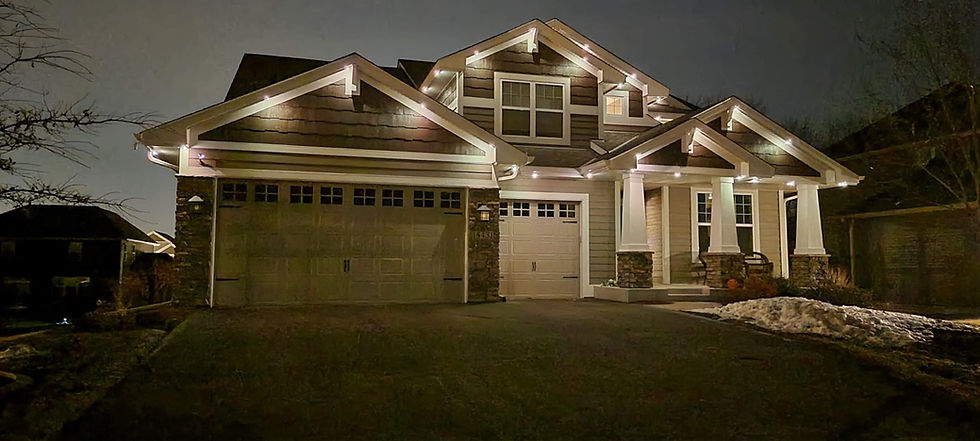
As utility costs continue to rise, more homeowners and businesses in Eastern Iowa are looking for practical ways to lower monthly energy expenses. One of the most effective upgrades available today is switching to LED lighting. From homes and patios to commercial properties and outdoor spaces, LED technology has transformed the way people think about lighting efficiency.
The biggest advantage of modern LED systems is the significant LED lighting energy savings they provide over time. Compared to older incandescent or fluorescent bulbs, LEDs use less power, last longer, and require far less maintenance. In this guide, we’ll explore how LED lighting works, why it’s more efficient, and how it can help reduce long-term costs for property owners in Eastern Iowa.
Why LED Lighting Has Become So Popular
Traditional lighting systems consume a large amount of electricity and often require frequent bulb replacements. In contrast, LED lights are designed for efficiency and durability.
For many homeowners, the ability to reduce electricity bills with LED lights is one of the main reasons for making the switch. LEDs convert more energy into light rather than heat, which means less wasted energy and lower operating costs.
The growing demand for energy efficient outdoor lighting has also contributed to LED popularity, especially for landscape lighting, patios, walkways, and permanent exterior lighting systems.
How LED Lighting Reduces Energy Costs
The main reason behind strong LED lighting energy savings is efficiency. LED bulbs use significantly less wattage while producing the same, or better, brightness as traditional bulbs.
Key Benefits of LED Efficiency:
Lower energy consumption
Reduced heat output
Longer bulb lifespan
Minimal maintenance requirements
Because LEDs consume less power, homeowners can consistently reduce electricity bills with LED lights without sacrificing lighting quality.
LED vs Traditional Lighting Cost
When comparing LED vs traditional lighting cost, it’s important to look beyond the initial purchase price.
Traditional incandescent bulbs may cost less upfront, but they:
Use more electricity
Burn out faster
Require frequent replacements
LED bulbs typically cost more initially, but the long term savings LED lighting provides often outweighs the higher upfront investment.
Example Comparison:
Incandescent bulb lifespan: ~1,000 hours
LED bulb lifespan: 25,000–50,000 hours
This difference dramatically impacts the overall LED vs traditional lighting cost over several years.
Long-Term Savings with LED Lighting
One of the most compelling reasons homeowners switch to LEDs is the substantial long term savings LED lighting can provide.
Areas Where Savings Add Up:
Monthly utility bills
Replacement bulb costs
Maintenance and labor expenses
Outdoor lighting operation costs
The ability to achieve meaningful LED lighting energy savings over time makes LED systems a smart financial investment for both residential and commercial properties.
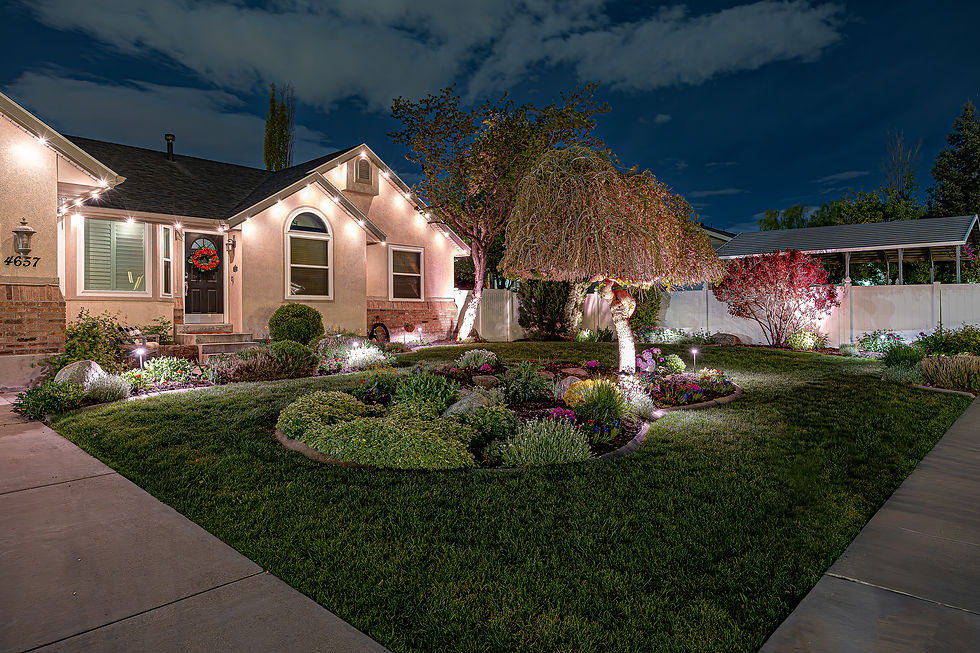
Outdoor Lighting Efficiency in Eastern Iowa
Outdoor lighting is especially important in Eastern Iowa, where homeowners often use exterior lighting for security, safety, and curb appeal.
Modern energy efficient outdoor lighting systems allow homeowners to illuminate:
Pathways
Driveways
Patios
Landscaping
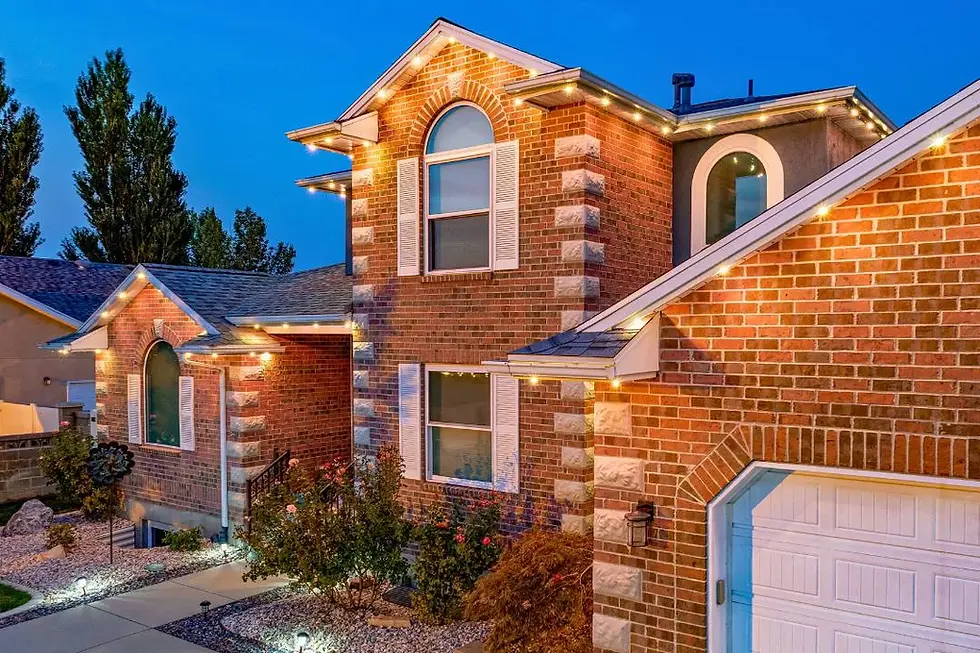
Permanent roofline lighting
Because LEDs consume far less electricity, property owners can reduce electricity bills with LED lights even while running outdoor systems nightly.
Why LEDs Perform Better Than Traditional Bulbs
The conversation around LED vs traditional lighting cost often focuses on efficiency, but performance matters too.
LED lights offer:
Brighter illumination
Instant-on functionality
Better durability in cold weather
Consistent light quality
These advantages make LEDs ideal for both indoor and energy efficient outdoor lighting applications in Eastern Iowa’s changing climate.
Environmental Benefits of LED Lighting
Beyond financial savings, LEDs are also environmentally friendly.
The reduced energy consumption associated with LED lighting energy savings helps lower overall electricity demand and reduces carbon emissions.
Additionally, LEDs:
Contain no mercury
Produce less waste due to longer lifespan
Require fewer replacements over time
For environmentally conscious homeowners, the long term savings LED lighting provides extends beyond financial benefits.
Is Upgrading Worth the Cost?
Some homeowners hesitate because of the upfront price difference. However, when evaluating LED vs traditional lighting cost, long-term value becomes clear.
The ability to:
Lower monthly bills
Reduce maintenance
Improve efficiency
Extend lighting lifespan
makes upgrading a worthwhile investment for many Eastern Iowa property owners.
In fact, one of the easiest ways to reduce electricity bills with LED lights is by upgrading frequently used areas first, such as kitchens, living rooms, and outdoor spaces.
Tips for Maximizing LED Savings
To maximize long term savings LED lighting, consider these strategies:
1. Upgrade High-Use Areas First
Focus on rooms or outdoor spaces where lights are used most often.
2. Use Smart Controls
Timers and motion sensors improve energy efficient outdoor lighting performance.
3. Choose Quality LED Products
Higher-quality LEDs often provide better lifespan and efficiency.
4. Replace Outdoor Systems
Exterior fixtures are excellent opportunities for additional LED lighting energy savings
FAQs
How do LED lights reduce long-term energy costs?
LED systems provide significant LED lighting energy savings by using less electricity, lasting longer, and reducing maintenance and replacement costs.
Are LED lights more energy-efficient than traditional bulbs?
Yes. When comparing LED vs traditional lighting cost, LEDs use far less power while producing similar or better brightness.
How much can you save by switching to LED lighting?
Savings vary depending on usage, but many homeowners can noticeably reduce electricity bills with LED lights over time through lower energy consumption.
Do LED outdoor lights use less electricity?
Yes. Modern energy efficient outdoor lighting systems use significantly less electricity than traditional outdoor lighting setups.
Is it worth upgrading to LED lighting for long-term savings?
Absolutely. The long term savings LED lighting provides through reduced utility bills and maintenance often makes the upgrade worthwhile.

Final Thoughts
Switching to LED lighting is one of the smartest ways to improve efficiency and reduce energy costs in Eastern Iowa. Whether you’re upgrading indoor fixtures or investing in energy efficient outdoor lighting, LEDs provide lasting value through lower electricity usage, reduced maintenance, and impressive durability.
By understanding the benefits of LED lighting energy savings, comparing LED vs traditional lighting cost, and recognizing the long term savings LED lighting can deliver, homeowners can make informed decisions that benefit both their property and their budget for years to come.

Comments